
Country Guide · Panama
Panama Travel Guide 2026
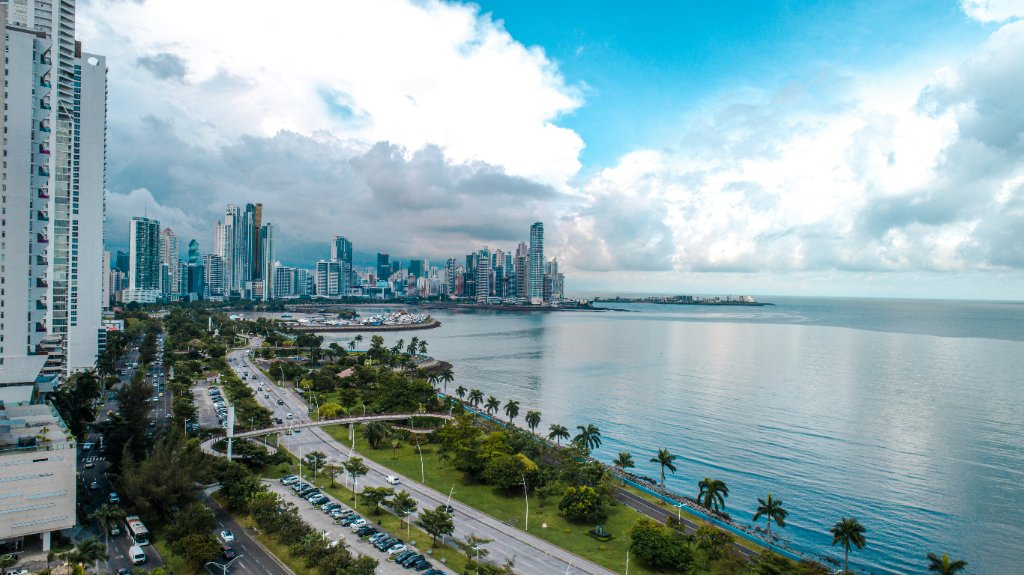
Panama is the bridge between two continents and two oceans, and that geographical fact has shaped everything about it. The canal that connects the Pacific and Atlantic is the most dramatic piece of human engineering in the Western Hemisphere. The city that has grown around it is one of the most cosmopolitan in Latin America. And once you leave the city, the country opens up into Caribbean archipelagos, cloud forest highlands, indigenous communities on remote islands, and jungle so dense and biodiverse it genuinely stopped road builders. Panama uses the US dollar, requires no visa for most Western visitors, and has better infrastructure than most of its Central American neighbours. It rewards travellers who go beyond the canal.
Panama at a Glance
- Best For
- The Panama Canal, Casco Viejo historic district, Caribbean island life in Bocas del Toro, indigenous San Blas islands, highland coffee and birdwatching in Boquete, and world-class sport fishing
- Must-See
- Miraflores Locks at the Panama Canal, Casco Viejo, Bocas del Toro, San Blas Islands, Volcan Baru, the Embera indigenous villages accessible by dugout canoe from Panama City
- Food and Drink
- Sancocho (chicken soup, the national dish), ceviche, ropa vieja, patacones, fresh tropical seafood in Bocas, and the world's most expensive and celebrated coffee from the Boquete highlands
Best Time to Visit Panama
December to April · Dry Season (Best for Pacific Side)
The dry season delivers reliable sunshine across Panama City and the Pacific coast, with low humidity and excellent conditions for the canal crossing, hiking Volcan Baru, and exploring Casco Viejo. This is peak tourist season and prices are higher, particularly in January and February. Book accommodation and San Blas tours well in advance.
May to November · Rainy Season
The Pacific side receives the most rain in October and November, but the Caribbean coast around Bocas del Toro has a different rhythm and often sees drier windows in September and October. Prices drop noticeably during the green season and the jungle is at its most lush. The canal operates year-round and is equally impressive in any weather.
Panama Travel Costs
Budget · $50 to $80 USD per day
Hostel accommodation in Panama City and Bocas del Toro, local restaurants and street food, public transport including the efficient Panama City Metro, and self-guided Canal visits at Miraflores. San Blas trips require a minimum spend including boat, accommodation, and food.
Mid-Range · $120 to $200 USD per day
A good hotel in Casco Viejo, meals at proper restaurants, domestic flights to Bocas or Boquete, guided tours, and a multi-day San Blas trip. Panama City has some genuinely excellent mid-range restaurants, particularly in Casco Viejo and the Marbella district.
Luxury · $250+ USD per day
Panama has international luxury hotels in the financial district and Casco Viejo, plus increasingly high-end eco-lodges in Boquete and the Darien. The Trump Ocean Club and Soho Panama are both international-standard city hotels.
·
Top Destinations in Panama
Panama City
Panama City is unlike any other city in Central America. The skyline of glass towers rising behind the historic Casco Viejo neighbourhood creates one of the most striking urban juxtapositions in the Americas. The Casco Viejo itself, a peninsula of crumbling colonial architecture now undergoing rapid gentrification, contains some of the best restaurants, bars, and boutique hotels in the city. Walk the Cinta Costera waterfront in the morning, explore the ruins of the original Panama Viejo in the afternoon, and eat at one of the excellent restaurants in Casco Viejo in the evening.
The Panama Canal
The Panama Canal is one of the most significant engineering achievements in human history, and watching an enormous container ship navigate the Miraflores Locks from the observation deck is a genuinely moving experience. The visitor centre at Miraflores provides excellent context on how the canal was built, the human cost of its construction, and how it transformed global trade. The Agua Clara Locks on the Atlantic side, part of the expanded canal opened in 2016, handle the largest ships in the world and are even more dramatic to observe.
Bocas del Toro
Bocas del Toro is an archipelago of Caribbean islands in the far northwest of Panama, close to the Costa Rican border, with a laid-back island character entirely different from Panama City. The main island, Isla Colon, has the town with restaurants and bars. The surrounding islands and cays have some outstanding snorkelling and diving, with coral gardens, nurse sharks, and sea turtles in the warm Caribbean water. The Red Frog Beach on Isla Bastimentos, named for the tiny strawberry poison dart frogs that live in the forest above the sand, is one of the most beautiful beaches in Panama.
San Blas Islands
The San Blas archipelago, known to the indigenous Guna people as Guna Yala, is one of the most extraordinary places in the Caribbean: 365 islands and cays, most of them tiny, some of them barely a sandbar with a few palm trees, scattered across impossibly turquoise water off the Caribbean coast of Panama. The islands are governed entirely by the Guna people under their own autonomous authority, who control all tourism and accommodation. The experience is basic, genuinely remote, and spectacular. Bring cash, respect the culture, and expect no Wi-Fi.
Boquete and the Chiriqui Highlands
Boquete is a small mountain town in the Chiriqui Highlands that has become one of Central America's most popular destinations for hiking, birdwatching, and coffee tourism. The town sits at 1,200 metres in a fertile river valley surrounded by cloud forest, and the surrounding landscape contains some of the best birding in Panama, including the resplendent quetzal. The coffee grown in the highlands around Boquete, particularly the Geisha variety, is considered among the finest in the world and commands extraordinary prices at international auction. Volcan Baru, the highest point in Panama at 3,474 metres, can be hiked from Boquete to see both the Pacific and Caribbean coasts simultaneously on clear days.
The Darien
The Darien is the most biodiverse region in Central America and one of the least visited places in the entire Americas, a vast expanse of jungle on the Colombian border with no roads and limited access. It is not a destination for independent travellers and requires careful preparation, a reputable operator, and current security advice. For those who do go, wildlife encounters with harpy eagles, jaguars, tapirs, and extraordinary bird diversity in pristine forest make it one of the genuinely wild experiences left on earth.
Sample 10-Day Panama Itinerary
Days 1 to 3
Panama City
Arrive and spend three days in one of Central America's most rewarding cities. Day one: Casco Viejo and the waterfront Cinta Costera. Day two: Miraflores Locks at the Panama Canal in the morning, Panama Viejo ruins in the afternoon. Day three: a dugout canoe trip to an Embera indigenous village in the Chagres National Park, where local guides demonstrate traditional practices in a genuine community setting.
Days 4 to 6
San Blas Islands
Take a 4WD transfer over the continental divide to the Caribbean coast and a boat out to the San Blas islands. Three days on these extraordinary islands: swimming in water so clear the reef is visible from above, snorkelling among nurse sharks and coral, buying mola textile panels from Guna women, and eating fresh lobster grilled on the beach. The accommodation is basic but the setting is peerless.
Days 7 and 8
Bocas del Toro
Fly from Panama City to Bocas del Toro and spend two days exploring the archipelago. Hire a water taxi to Isla Bastimentos for the Red Frog Beach and snorkelling at Coral Cay. Dolphin Bay is accessible by boat and regularly has bottlenose dolphins in the shallows. The town on Isla Colon has excellent restaurants along the waterfront.
Days 9 and 10
Boquete and Departure
Fly to David in the Chiriqui region and transfer to Boquete. Visit a coffee plantation for a full farm-to-cup tour, walk the Quetzal Trail in the cloud forest, and have a farewell dinner in one of the town's excellent restaurants before the drive back to David for the flight to Panama City and international connection.
Tips & FAQ
Visa
Most Western citizens visit visa-free for up to 180 days. Passport with three months validity and proof of onward travel required.
Currency
US dollar (Balboa). US bills used everywhere alongside Panamanian coins. No exchange needed for US visitors.
Best time
December to April for the Pacific side. Bocas del Toro driest in September to October and February to March. San Blas best January to April.
Panama City worth it?
Yes. Modern skyline, Casco Viejo, the Canal, and excellent food and nightlife. Two to three days covers the highlights.
Plan with the Genie
Ready to plan your Panama trip?
Get a personalised AI-powered itinerary with hidden gems, daily costs, and booking links in under a minute.