
Country Guide · Costa Rica
Costa Rica Travel Guide 2026
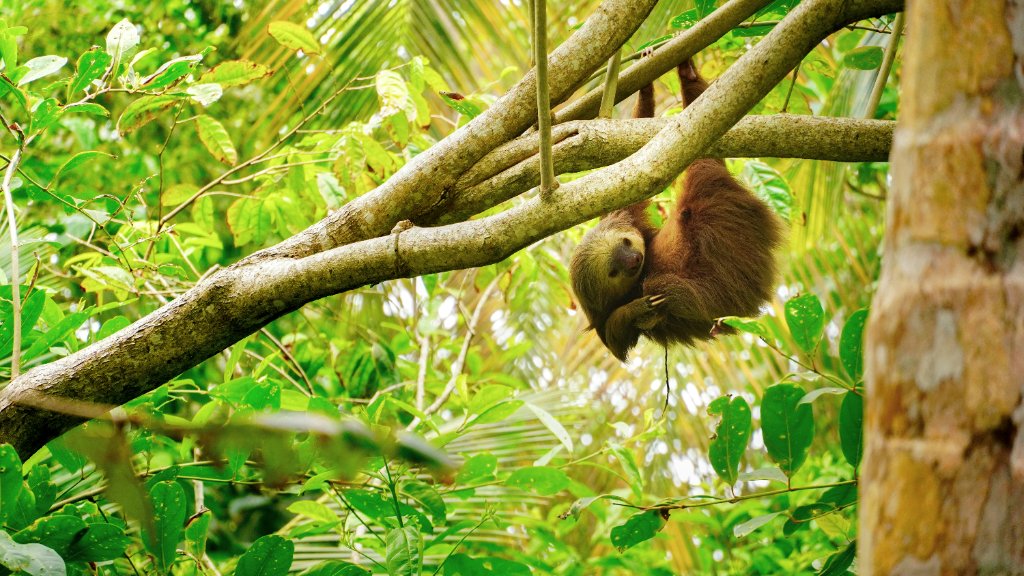
Costa Rica packs more natural spectacle into a small country than almost anywhere on earth. The statistics are striking: five percent of the world's biodiversity in a territory the size of West Virginia, more than 500,000 species of plants and animals, 28 national parks and wildlife reserves, active volcanoes you can hike to the edge of, cloud forests where the resplendent quetzal still nests, and two coastlines, Pacific and Caribbean, that could not be more different from each other in character. The Ticos, as Costa Ricans call themselves, have a phrase that is their unofficial national motto: pura vida. Pure life. It means everything is good, things are fine, no problem. Spend a week here and you will understand exactly what they mean.
On this page
Costa Rica at a Glance
- Best For
- Wildlife and biodiversity, eco-lodges, active volcanoes, zip-lining through cloud forest, sea turtle nesting, surfing, white-water rafting, hot springs, and sloth spotting
- Must-See
- Arenal Volcano, Monteverde Cloud Forest, Manuel Antonio National Park, Corcovado, Tortuguero, the Osa Peninsula, Santa Teresa beach, and the Nicoya Peninsula
- Food and Drink
- Gallo pinto (rice and black beans), casado (the national lunch plate), ceviche, chifrijo, fresh tropical fruit, Costa Rican coffee, and guaro, the local sugarcane spirit
Best Time to Visit Costa Rica
December to April · Dry Season (Best for Pacific Coast)
The dry season is the most popular time to visit and delivers reliable sunshine across most of the country. The Pacific coast beaches are at their best, the national parks are accessible, and wildlife is easy to spot at waterholes and along trails. The downside is that prices are higher, accommodation books out quickly, and the most popular parks can feel crowded between Christmas and February. Monteverde and Arenal can be misty at any time of year regardless of season.
May to July · Green Season Begins
Rainfall increases from May but tends to come in afternoon showers rather than all-day downpours. The landscape greens up dramatically, waterfalls are at their most impressive, and prices drop by 20 to 40 percent compared to peak season. Wildlife activity actually increases as the rains bring out insects and the animals that feed on them. This can be a genuinely excellent time to visit if you embrace the conditions.
August to October · Best for the Caribbean Coast and Turtles
The Pacific coast receives the most rain in September and October, but the Caribbean coast has a reversed weather pattern and often sees its driest and sunniest weather in this period. Tortuguero's turtle nesting season peaks from July to October, making this the essential time for that experience. Whale watching season is excellent on the Pacific coast during August and September.
November · Transition Month
November is a shoulder month where the rains are easing on the Pacific side and the Caribbean can be unsettled. Prices are still below peak and the crowds have not returned. It can be a rewarding time to visit if you are flexible about which coast you prioritise and prepared for some rainfall.
Costa Rica Travel Costs
Budget · $60 to $80 USD per day
Hostel dorms, local sodas (small family restaurants) for gallo pinto and casado, public buses between destinations, and self-guided national park walks. Costa Rica is not a cheap country by Central American standards, but budget travel is very doable. The public bus network is extensive, inexpensive, and covers most major tourist routes.
Mid-Range · $150 to $250 USD per day
A mid-range eco-lodge or boutique hotel, restaurant meals, shared shuttle transfers between destinations, and one or two guided tours or activities per day. Guided wildlife tours with a naturalist guide, mandatory in Corcovado, cost around $50 to $80 USD per person and are worth every cent for the identification expertise they provide.
Luxury · $300 to $800+ USD per day
Costa Rica's high-end eco-lodges are genuinely world-class. Places like Lapa Rios on the Osa Peninsula, Nayara Springs at Arenal, and Finca Rosa Blanca near San Jose combine extraordinary settings with serious environmental credentials and excellent food. These are not ordinary resort hotels. They justify their prices in ways that most luxury accommodation does not.
Car hire in Costa Rica is expensive by regional standards and requires a 4WD for many destinations. Factor this into your budget carefully. Shared shuttle services between popular destinations are a good compromise between cost and convenience. ·
Getting to Costa Rica
Flying In
Juan Santamaria International Airport in San Jose (SJO) is the main gateway, with direct flights from London taking around 11 hours. Liberia Airport (LIR) in Guanacaste is useful for visitors heading straight to the Pacific beaches and receives direct flights from several North American cities. British Airways, Iberia, and connecting services via the US are the main options from London. Booking early typically secures significant savings.
Domestic Travel
Sansa and Green Airways operate small-plane services to domestic airports including Quepos, Puerto Jimenez, Tortuguero, and Tamarindo. Flights take 30 to 60 minutes and cost around $80 to $150 USD each way, but save hours of road travel. Shared shuttle services run between all major tourist destinations and are booked through hotels and tour operators. They are significantly more comfortable and faster than public buses for the main routes.
Getting Around Costa Rica
Best for Flexibility · Rental Car
A rental car gives you the most freedom in Costa Rica, particularly for reaching remote beaches, smaller national parks, and areas not served by shuttles. A 4WD is strongly recommended and mandatory for destinations like the Osa Peninsula. Book through an established international agency and inspect the vehicle thoroughly before signing anything. Road quality varies enormously.
Best for Popular Routes · Shared Shuttles
Shared shuttle services connecting San Jose, Arenal, Monteverde, Manuel Antonio, and the Nicoya Peninsula beaches are comfortable, reliable, and significantly cheaper than private transfers. They run on fixed schedules and pick up from hotels. Book 24 to 48 hours in advance through your accommodation. Interbus and Gecko Trail are the two main operators.
Best for Budget · Public Buses
Costa Rica has an extensive and affordable public bus network serving routes between San Jose and most major towns. The bus from San Jose to La Fortuna near Arenal costs around $5 USD. The journey involves transfers and takes considerably longer than a shuttle, but the experience of travelling alongside locals is genuinely worthwhile and the savings are substantial.
Top Destinations in Costa Rica
Arenal Volcano and La Fortuna
Arenal is the most recognisable image of Costa Rica: a near-perfect conical volcano rising above a flat plain, with hot spring rivers running off its flanks and the town of La Fortuna sitting at its base providing a well-organised base for adventures. The volcano last erupted significantly in 2010 but remains active, and on clear evenings the summit glows. The hot springs here are genuinely thermal rather than artificially heated resort pools, the lake offers kayaking and windsurfing, and the surrounding national park has some of the best wildlife spotting in the country.
Monteverde and Santa Elena
Monteverde is the cloud forest capital of Costa Rica and one of the most important wildlife corridors in Central America. The Monteverde Cloud Forest Reserve and the Santa Elena Reserve are both accessible by guided walk or independent trail, and the biodiversity is extraordinary. Resplendent quetzals, three-wattled bellbirds, hundreds of orchid species, and some 120 mammal species live within the forest. The zip-lining in Monteverde is the best in the country, running through the forest canopy on cables up to a kilometre long.
Manuel Antonio National Park
Manuel Antonio is Costa Rica's most visited national park and with good reason. The combination of white sand beaches, warm Pacific water, and dense rainforest right to the shoreline makes it one of the most beautiful settings in the country. Monkeys, sloths, coatis, and iguanas wander between beach towels with remarkable confidence. The park limits daily visitor numbers to protect the ecosystem, so book your entry tickets in advance and arrive early. The town of Quepos 7 kilometres north has good restaurant options and is the natural base.
The Osa Peninsula and Corcovado
Corcovado National Park on the Osa Peninsula is the most biologically intense place National Geographic has ever described as the most biologically intense place on earth, and the statistics support the claim. It contains 2.5 percent of the world's biodiversity within its boundaries. Getting here requires commitment: a boat along the coast or a muddy hike through the jungle with a mandatory guide. The accommodation is basic and expensive by Costa Rican standards. None of that should stop you going. This is one of the genuinely wild places left on earth.
Tortuguero
Tortuguero is a canal village on the Caribbean coast, accessible only by boat or small plane, set at the heart of a national park where four species of sea turtle nest between July and October. Watching a green turtle haul herself up the beach at midnight to lay her eggs is one of the most powerful wildlife encounters available anywhere. The canals surrounding the village are rich with caimans, manatees, river otters, and an extraordinary variety of birds. The Caribbean character of the village, with its reggae music, rice and beans cooked in coconut milk, and relaxed pace, feels entirely different to the Pacific side of the country.
Guanacaste and the Pacific Coast Beaches
The Nicoya Peninsula and the Guanacaste region contain some of Costa Rica's most celebrated beaches, from the surf town of Tamarindo in the north to the more remote and rewarding beaches around Santa Teresa and Mal Pais in the south. Tamarindo is the most developed and the most reliable for surf lessons and nightlife. Nosara attracts a yoga and wellness crowd. The Papagayo Peninsula in the far north has luxury resort development. Santa Teresa has arguably the best combination of surf, scenery, and independent restaurant character.
Top Things to Do in Costa Rica
Wildlife and Nature
- Watch sea turtles nest on the beach at Tortuguero between July and October
- Spot a resplendent quetzal in the cloud forest of Monteverde in the early morning
- Walk a guided trail in Corcovado with a naturalist who can identify every sound in the jungle
- Soak in the Tabacon hot springs at Arenal as the volcano lights up the sky on a clear night
- Watch humpback whales from a boat off the Osa Peninsula in August and September
- Look for sloths in the trees above Manuel Antonio beach, where they move in plain sight if you know where to look
Adventure and Beaches
- Zip-line through the Monteverde cloud forest canopy on cables up to a kilometre long
- White-water raft the Pacuare River, one of the top ten white-water rivers in the world
- Surf at Santa Teresa, Tamarindo, or Dominical, three very different beach towns with consistent waves
- Kayak through the canals of Tortuguero looking for river otters and caimans
- Hike to the crater rim of Poas Volcano, one of the most accessible active volcanoes in Central America
- Snorkel or dive at Isla del Cano off the Osa Peninsula, where hammerhead sharks aggregate in the channel
·

Sample 10-Day Costa Rica Itinerary
Days 1 and 2
San Jose and Surroundings
Arrive at Juan Santamaria Airport and spend the first night in San Jose. The city is often dismissed by visitors eager to reach the national parks, but the Gold Museum, the Central Market, and the neighbourhoods of Barrio Amon and Escalante reward a morning or afternoon. Transfer to Arenal on day two, a three-hour drive through the Central Valley.
Days 3 and 4
Arenal Volcano and La Fortuna
Two full days at Arenal. Hike the lava fields trail in the national park in the morning when the volcano is most likely to be visible above the cloud. Canopy zip-line or rappel down waterfalls in the afternoon. End both evenings in the Tabacon or Baldi hot springs as the sky darkens.
Days 5 and 6
Monteverde Cloud Forest
Transfer to Monteverde by shared shuttle or the scenic lake boat and jeep combination. Walk the cloud forest reserve at dawn with a guide on day five for the best chance of seeing the resplendent quetzal. Spend the afternoon zip-lining across the canopy. Day six: the Curi-Cancha reserve for birdwatching and a slower, quieter cloud forest walk.
Days 7 and 8
Manuel Antonio
Transfer by shared shuttle to Manuel Antonio on the Pacific coast. Arrive in the evening and settle in. Day eight: enter the national park at opening time. Walk the trails to spot monkeys, sloths, coatis, and birds, then descend to Playa Espadilla Sur for a swim in warm Pacific water. The park closes at mid-afternoon, leaving time for dinner in Quepos.
Days 9 and 10
Return to San Jose and Departure
Take the morning shuttle back to San Jose. If your flight is late, visit the Museo del Jade or spend time in the Mercado Central before heading to the airport. San Jose is not where Costa Rica's greatest experiences happen, but it earns more appreciation as a city with proper time to explore it.
Practical Tips for Costa Rica
What to Pack
- Quick-dry clothing and lightweight layers for cloud forest evenings, which can be surprisingly cool
- A quality waterproof jacket that packs small, essential for Monteverde and the green season
- Sturdy waterproof hiking boots for national park trails, many of which are muddy year-round
- High-factor reef-safe sunscreen for Pacific coast days
- Strong insect repellent with DEET for lowland areas and the Caribbean coast
- Binoculars: the single item that most improves a wildlife experience in Costa Rica
- A dry bag for kayaking, boat trips, and rainy days
Quick FAQs
- Currency: Costa Rican Colon (CRC). US dollars widely accepted in tourist areas. Cards accepted at most hotels and restaurants. Carry cash for local sodas, markets, and smaller towns.
- Tap water: Safe to drink in most urban areas, including San Jose and La Fortuna. One of the only countries in Latin America where this is reliably the case.
- Wildlife guides: Worth every cent in national parks, particularly Corcovado where a licensed guide is mandatory. They identify species you would walk past without recognising.
- Pura vida: The national phrase meaning pure life. Use it freely. It opens doors, breaks ice, and will make every Tico you meet smile.
Plan with the Genie
Ready to plan your Costa Rica trip?
Get a personalised AI-powered itinerary with hidden gems, daily costs, and booking links in under a minute.