
Destination Guide · Austria
Austria Travel Guide 2026
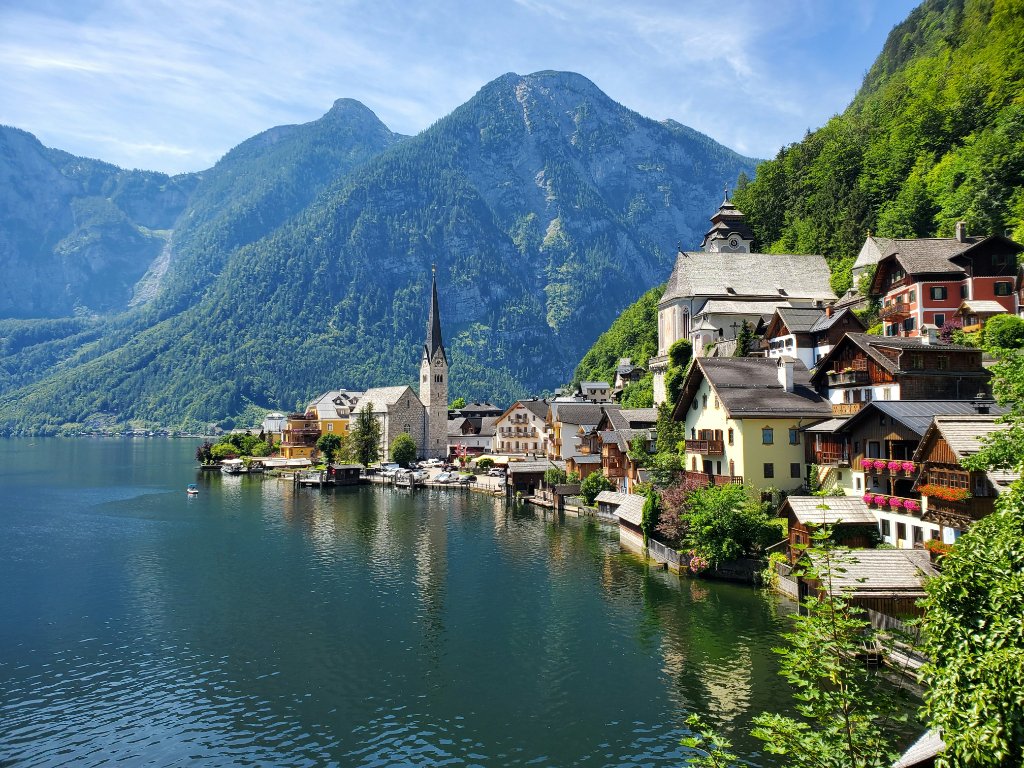
Austria is a country that earns its reputation for elegance. Vienna is one of the great capital cities of Europe, built for an empire and still wearing its grandeur with considerable confidence. Salzburg gave the world Mozart and a UNESCO-listed old town that looks almost too beautiful to be real. Hallstatt is one of the most photographed villages on the planet. And running underneath all of it is a rail network so good that you can move between major cities without a car, watching Alpine scenery unspool past the window at speed.
On this page
Why Visit Austria?
Austria is compact enough to see several major highlights in a single trip. Vienna is one of Europe's great capital cities: grand, cultured, and surprisingly affordable compared to London or Paris. Salzburg is a UNESCO World Heritage old town that inspired The Sound of Music. And Hallstatt is one of the most photographed villages in the world.
Beyond the highlights, Austria has exceptional rail infrastructure, meaning you can move between cities in comfort with incredible Alpine scenery rolling past the window. It rewards slow travel.
Austria at a Glance
- Best For
- Imperial architecture, classical music, Alpine scenery, Christmas markets, coffee house culture, scenic rail travel
- Must-See Destinations
- Vienna, Salzburg, Hallstatt, Innsbruck, Graz, Wachau Valley
- Food & Drink
- Wiener schnitzel, Tafelspitz, sachertorte, apple strudel, kaiserschmarrn, Viennese coffee, Austrian Riesling
Best Time to Visit Austria
May – June · Spring (Best Overall)
Vienna's gardens are stunning, Salzburg is manageable before summer crowds arrive, and temps are ideal (16–22°C). Long days, outdoor café season, and fewer tourists than July–August.
September – October · Autumn (Best Balance)
Harvest season in wine regions, cooler but beautiful (12–18°C). Wachau Valley along the Danube is spectacular in autumn colours. Fewer crowds and better prices.
July – August · Summer
Warm (22–28°C) and busy. Salzburg Festival in July–August is world-class but expensive. Alpine lakes and mountain regions are superb for hiking and swimming.
December · Winter & Christmas Markets
Austria arguably has Europe's best Christmas markets, Vienna's Rathausplatz and Schönbrunn markets are magical (2–6°C). Ski season begins. Book well ahead.
Typical Trip Costs (Per Person)
Budget · €75–€110 / day
Hostel or budget hotel, supermarket lunches, one paid museum, Vienna U-Bahn day pass, Schönbrunn gardens (free exterior).
Mid-Range · €160–€250 / day
Boutique hotel, Viennese coffee houses, Kunsthistorisches Museum, Schönbrunn Palace tour, Salzburg Mozart trail, restaurant dinners.
Luxury · €380+ / day
Grand Hotel on the Ring, Salzburg Festival tickets, fine dining at Plachutta, private Wachau wine tour, chauffeur transfers.
Vienna City Card (€17/24hrs) covers all public transport and museum discounts. The Vienna Museum Pass covers 30+ museums for ~€29. Both excellent value. Before you travel, sort an and .
Getting to Austria
Flying In
Vienna International Airport (VIE) is Austria's main hub with direct flights from across Europe and beyond. The City Airport Train (CAT) reaches Wien Mitte in 16 minutes.
·
Train from Europe
Excellent connections: Munich–Vienna (4 hrs), Budapest–Vienna (2.5 hrs), Prague–Vienna (4 hrs), Zurich–Vienna (8 hrs). NightJet sleeper trains connect Vienna to many European cities overnight.
Getting Around Austria
Best for Cities · Walk + U-Bahn
Vienna's U-Bahn is fast and clean, covering all major sights. Salzburg's old town is entirely walkable. Both cities reward slow exploration on foot.
Best Intercity · ÖBB Railjet
ÖBB's high-speed Railjet connects Vienna–Salzburg (2.5 hrs) and Vienna–Innsbruck (4.5 hrs). Scenic, punctual, and bookable in advance for best prices.
Best for Alpine Areas · Car or Bus
Hallstatt and Alpine villages are best by car or local bus. Postbus covers many rural routes. Car rental gives maximum flexibility for mountain routes.
Best Areas to Stay in Vienna
1st District – Innere Stadt (Inner City)
The historic heart: St Stephen's Cathedral, Imperial Palace (Hofburg), and the Kunsthistorisches Museum. Premium location with premium prices, worth it for a first visit.
6th/7th Districts – Naschmarkt & MuseumsQuartier
Great base near the famous Naschmarkt food market, Kunsthistorisches Museum, and Mariahilfer Street shopping. More residential, fewer tourists, excellent cafés.
2nd District – Leopoldstadt
Trendy, up-and-coming neighbourhood across the Danube Canal from the centre. Home to the Prater park, Ferris wheel, and a vibrant local food scene. Excellent value.
4th District – Wieden
Quiet, elegant, and very central. Close to the Belvedere Palace and gardens. Feels like a genuine Viennese residential neighbourhood rather than a tourist zone.
Top Things to Do in Austria
Vienna Highlights
- Schönbrunn Palace and gardens, Habsburg imperial summer residence
- Kunsthistorisches Museum, one of Europe's great art collections
- St Stephen's Cathedral, Gothic masterpiece in the heart of the city
- Belvedere Palace, Klimt's The Kiss is here
- Traditional Kaffeehaus, slow coffee and Sachertorte culture
- Vienna State Opera, evening performance or daytime tour
Beyond Vienna
- Salzburg old town (UNESCO), Mozart's birthplace, Getreidegasse
- Hohensalzburg Fortress, largest fully preserved castle in Central Europe
- Hallstatt village, lakeside UNESCO scenery in the Salzkammergut
- Wachau Valley, Danube river cruise through apricot orchards and vineyards
- Innsbruck, golden roof, Tyrolean culture, and Alpine panoramas
Book ahead where possible: · ·
Best Day Trips from Vienna
Hallstatt
3 hrs from Vienna by train and ferry. The lakeside village is extraordinarily picturesque. Arrive early morning to avoid the day tripper crowds. The salt mine tour is excellent.
Wachau Valley
1.5 hrs from Vienna. Cruise or cycle through UNESCO-listed vineyards, monastery ruins, and apricot orchards along the Danube. Best in May (blossoms) or October (harvest).
Bratislava, Slovakia
Just 1 hour by train, one of Europe's closest capital city day trips. Historic old town, castle, and a completely different atmosphere from Vienna at a fraction of the cost.
Organised tours make day trips seamless: ·
Sample 5-Day Austria Itinerary
Day 1
Vienna: Imperial Centre
St Stephen's Cathedral, Hofburg Palace, Kunsthistorisches Museum, traditional Kaffeehaus, evening Vienna State Opera walk.
Day 2
Vienna: Schönbrunn & Belvedere
Schönbrunn Palace and gardens in the morning, Belvedere Palace (The Kiss by Klimt), Naschmarkt food market, Spittelberg neighbourhood.
Day 3
Day Trip: Wachau Valley or Hallstatt
Wachau Valley cruise and Melk Abbey (year-round) or Hallstatt lakeside village (spring and autumn recommended).
Day 4
Train to Salzburg
Arrive Salzburg, explore Getreidegasse, Mozart's Birthplace, Mirabell Palace gardens, Kapitelplatz fountain, old town at sunset.
Day 5
Salzburg: Hohensalzburg & Sound of Music
Hohensalzburg Fortress in the morning, Sound of Music filming locations, Hellbrunn Palace trick fountains, evening Stiegl beer hall.
Packing Tips & FAQ
What to Pack
- Smart-casual clothes, Viennese restaurants and opera are elegant
- Comfortable walking shoes for cobblestones and castle steps
- Light layers, Alpine areas cool quickly after sunset
- Waterproof layer for mountain day trips
- EU plug adapter if travelling from UK
Quick FAQs
- Is Austria expensive? Moderately. Vienna is cheaper than London. The Vienna City Card saves on transport and museum entry.
- Best Vienna museum? Kunsthistorisches for art history, Belvedere for Klimt, Natural History Museum for free Sunday mornings.
- Best rail pass? ÖBB Vorteilscard (€66/year) gives 50% off all Austrian trains, worth it for a week+ trip.
- Safe for solo travel? Extremely safe. Austria consistently ranks among Europe's safest destinations.
Plan with the Genie
Ready to plan your Austria trip?
Get a personalised, AI-powered itinerary with hidden gems, daily costs, and booking links in under a minute.