
Destination Guide · Spain
Spain Travel Guide 2026
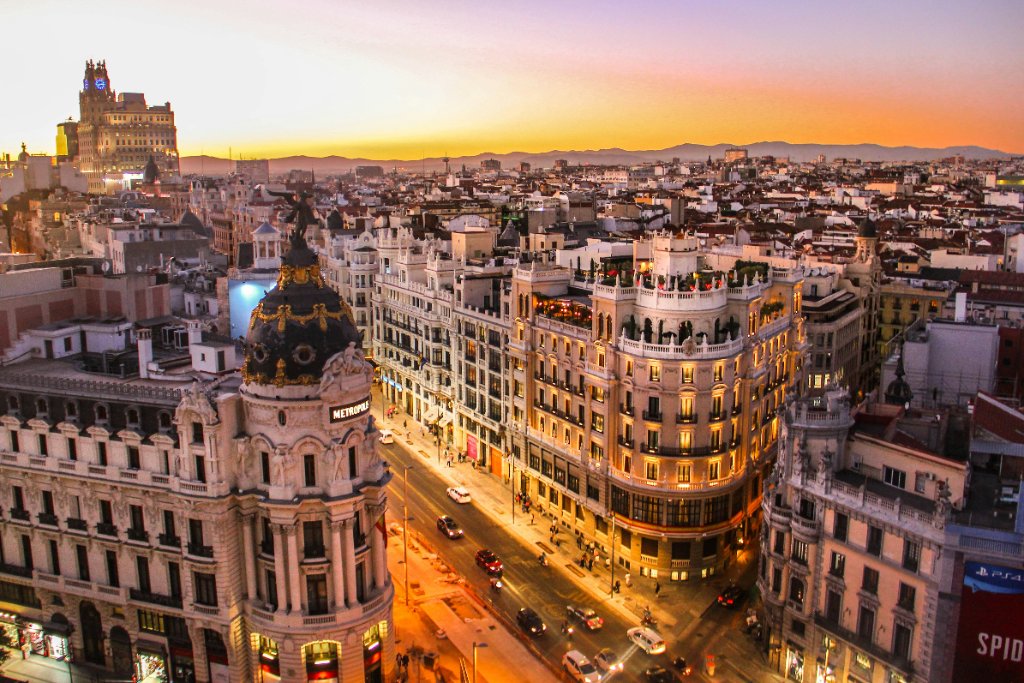
Barcelona and Madrid, Andalusia's Moorish architecture, the Basque Country's food, and Mediterranean and island coastline.
On this page
Spain is not one destination but half a dozen different countries operating under the same flag. Barcelona and Madrid are among Europe's great cities. Andalusia is a world unto itself, all flamenco, Moorish architecture, and bone-dry heat. The Basque Country has arguably the finest food culture on the continent. The islands offer everything from Mallorca's mountain villages to Ibiza's coves. Whatever kind of trip you are planning, there is a version of Spain that will give it to you.
Why Visit Spain?
Spaniards eat late, stay up later, and have built an entire culture around the pleasures of doing things slowly and well. The tapas tradition alone is worth a trip: order one dish, move to the next bar, repeat until midnight. The art is world-class, the architecture genuinely extraordinary in places, and the variety of landscape available in a single country is remarkable. Pyrenean foothills, Atlantic coastline, Mediterranean coves, desert interior, volcanic islands in the Atlantic. Spain simply does not run out of things to offer.
This guide covers the best time to visit, where to stay, typical costs, how to get around, top things to do, hidden gems, and a sample 7-day itinerary.
Spain at a Glance
- Best For
- City breaks, beaches, food, culture, nightlife, day trips
- First-Timer Route
- Barcelona + Madrid, or Barcelona + Valencia
- Food
- Tapas, paella, pintxos, jamón, seafood, sangria
Best Time to Visit Spain
March – June · Spring (Best Overall)
Great weather (roughly 18–28°C), fewer crowds, and ideal for city exploring + day trips.
September – October · Autumn (Best Balance)
Warm seas, better prices than peak summer, and comfortable city temps.
July – August · Summer (Coasts & Islands)
Peak energy + peak prices. Inland cities can be extremely hot, so plan siestas and late dinners.
November – February · Winter (Value City Trips)
Fewer tourists, cheaper stays, and mild weather in the south. Great for Madrid museums or Andalusia.
Typical Trip Costs (Per Person)
Budget · £50–£85 / day
Hostels/budget hotels, bakeries + tapas spots, public transport, free sights and beaches.
Mid-Range · £120–£200 / day
Boutique stays, attractions, day trips, food experiences, and paid tours.
Luxury · £260–£500 / day
5★ hotels, Michelin dining, premium shows, private transfers, and VIP experiences.
Magic Travel Genie can generate a personalized cost breakdown for your dates and travel style. Before you travel, sort an and .
Getting to Spain
Flying In
Major entry airports include Barcelona (BCN), Madrid (MAD), Málaga (AGP), Valencia (VLC), Seville (SVQ), and Palma (PMI). Cheapest fares usually land in BCN or MAD.
·
Train / Bus Connections
Spain's high-speed trains make city-hopping easy (especially Madrid ↔ Barcelona/Seville/Valencia). Buses are cheap for smaller towns and coastal routes.
Getting Around Spain
Best for Cities · Metro/Walk
Barcelona, Madrid, Valencia and Seville are easy without a car. Use metro + buses and walk everywhere.
Best for Regions · High-Speed Train
Fast, comfortable, and often cheaper when booked early. Great for Madrid as a hub.
Best for Hidden Spots · Rental Car
Ideal for Andalusia road trips, Costa Brava coves, or mountain villages. Park outside old towns.
Tip: For a first Spain trip, do cities by train and add a car only for 1–2 days of countryside exploring.

Best Areas to Stay in Spain
Barcelona · Eixample / El Born / Gràcia
Eixample is central and clean, El Born is stylish and walkable, and Gràcia feels local with great cafés.
Madrid · Centro / Malasaña / Salamanca
Centro for sightseeing, Malasaña for nightlife + indie vibes, and Salamanca for upscale calm.
Andalusia · Seville / Granada
Seville is the best base for flamenco + tapas culture. Granada is unbeatable for the Alhambra + mountain air.
Islands · Mallorca / Ibiza
Mallorca for coves and mountains. Ibiza for beach clubs + calm inland villages. Book early for summer.
Best Things to Do in Spain
Iconic Highlights
- Sagrada Família + Park Güell (Barcelona)
- Prado Museum + Retiro Park (Madrid)
- Alhambra (Granada) + Alcázar (Seville)
- Beaches: Barceloneta, Costa Brava, Costa del Sol
Food & Culture
- Tapas crawl (bar-hop, 1–2 bites each)
- Flamenco night in Seville
- Pintxos in San Sebastián
- Day trip wineries (Rioja / Penedès)
Book ahead where you can: · ·

How Many Days in Spain?
- 3–5 Days
- One city break: Barcelona or Madrid with 1 day trip.
- 7–10 Days
- Two regions: Barcelona + Madrid, or Madrid + Andalusia.
- 10–14 Days
- Add islands or the north: Basque Country, Mallorca, or Costa Brava.
Sample 7-Day Spain Itinerary (Barcelona + Madrid)
Day 1 · Barcelona · Gothic Quarter & Tapas
Arrive in Barcelona, wander the Gothic Quarter, and do a tapas crawl.
Day 2 · Sagrada Família & Park Güell
Sagrada Família, Park Güell, and a sunset viewpoint.
Day 3 · Beach & El Born
Beach morning, El Born, and an iconic architecture walk.
Day 4 · Day Trip: Montserrat or Costa Brava
A day trip to Montserrat or the Costa Brava coves.
Day 5 · Madrid · Prado & Rooftops
Train to Madrid, Prado Museum, and rooftop views.
Day 6 · Retiro Park & Nightlife
Retiro Park, market lunch, and nightlife.
Day 7 · Toledo & Fly Home
Day trip to Toledo, then fly home.
Want this built for your exact dates, budget, and interests? Magic Travel Genie can generate a full itinerary with maps, costs, and booking links.
Practical Travel Tips & FAQ
Timing & Culture
Dinner is often late (8–10pm). Midday is hot in summer. Plan big sightseeing for mornings and evenings.
Booking & Crowds
Book major attractions early (Sagrada Família, Alhambra, Prado) and avoid peak midday lines where possible.
Is Spain expensive?
Spain can be very affordable compared to many Western European countries. Costs vary by city and season, but mid-range trips are excellent value with tapas-style dining and public transport.
Do people in Spain speak English?
English is common in tourist areas, hotels and tours. In smaller towns, basic Spanish phrases help, but translation apps make things easy.
Is Spain safe for travellers?
Spain is generally very safe. The biggest risk is petty theft in crowded areas. Keep valuables secure and stay aware on public transport.
How many days do I need for Spain?
7–10 days is ideal for a first trip. Do 3–5 days for one city, or 10–14 days to combine two regions plus beaches or islands.
Do I need cash in Spain?
Cards are accepted almost everywhere. Carry a small amount of cash for markets, small cafés, taxis, or rural stops.
Plan with the Genie
Plan your Spain trip in under a minute
Tell Magic Travel Genie your dates, budget, interests and travel style, and get a complete itinerary you can edit, save, and map instantly.