
Country Guide · Malta
Malta Travel Guide 2026
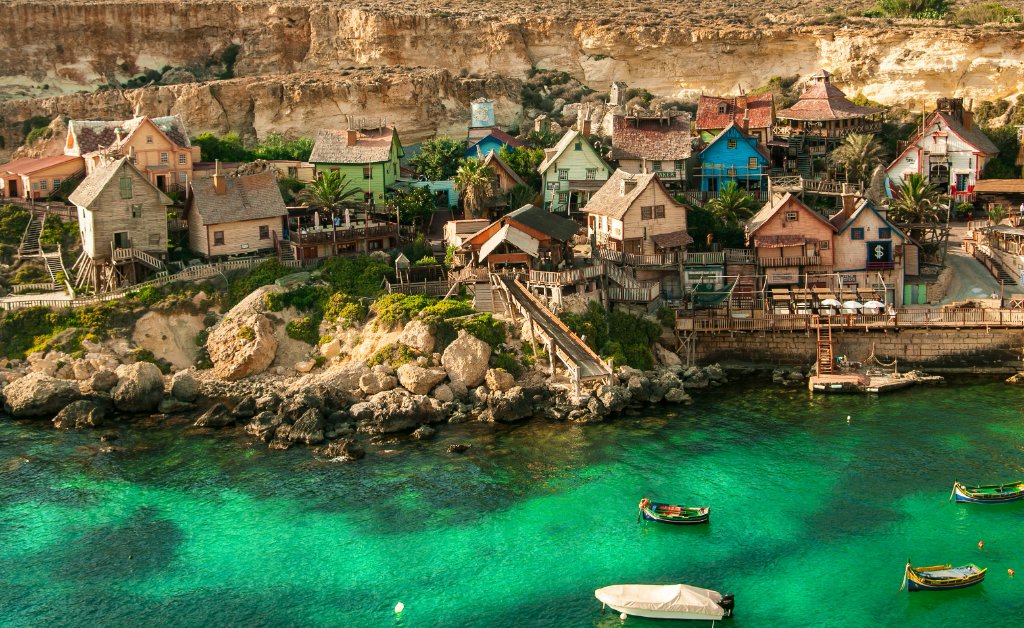
Malta is one of Europe's most historically rich destinations compressed into a tiny Mediterranean island. Seven thousand years of civilisation have left prehistoric temples older than Stonehenge, a Baroque fortress capital city, medieval silent cities, and Knights Hospitaller fortifications around every corner. Add Europe's clearest Mediterranean water, world-class diving, and year-round sunshine. Malta punches far above its size. And everyone speaks English. It's one of the easiest European destinations to navigate as a visitor.
On this page
Malta at a Glance
- Best For
- History, prehistoric temples, WWII heritage, Baroque architecture, diving, clear Mediterranean water, year-round sunshine
- Must-See
- Valletta (UNESCO), Mdina Silent City, Three Cities, Blue Lagoon, Ħaġar Qim temples, Gozo island, St John's Co-Cathedral
- Food & Drink
- Pastizzi (flaky pastries), rabbit stew (fenkata), ftira bread, gbejniet cheese, Cisk lager, Kinnie (local bitter soft drink), Maltese wine
Best Time to Visit Malta
April – June · Spring (Best Overall)
Warm (20–26°C), wildflowers across the island, sea swimmable from May, manageable crowds, and prices below peak summer. Valletta's Baroque streets are stunning in spring light.
September – October · Autumn (Best Value)
Sea still warm (24–26°C in September), summer crowds gone, prices drop, and the light is golden. Excellent for diving visibility. October can bring rain but remains warm.
July – August · Peak Summer
Very hot (32–36°C), very busy, and expensive. The Blue Lagoon becomes extremely crowded. Go early (first boat) for any hope of a peaceful experience. Nightlife is at its peak.
November – March · Winter
Mild (14–18°C) and quiet, good for history, museums, and walking. Some coastal areas feel closed off-season but Valletta remains lively. Malta's cheapest time, and excellent for diving (water stays warm).
Typical Trip Costs (Per Person)
Budget · €55–€80 / day
Hostel or budget guesthouse, pastizzi and local bakeries, public bus network (€1.50/ride), free Valletta walking.
Mid-Range · €130–€200 / day
Boutique hotel, restaurant meals, Valletta museum entries, Gozo ferry + day tour (~€30), Blue Lagoon boat trip (~€20), evening wine bar.
Luxury · €300+ / day
Boutique harbour-view hotel in Valletta, fine dining, private boat charter to Comino, and a certified dive day trip.
Currency: Euro (€), Malta is in the EU and Eurozone. Pastizzo (pastry snack): €0.30. Cisk beer in a bar: €2–3. St John's Co-Cathedral: €15. Ħaġar Qim temples: €10. Public buses cover the whole island for €1.50/ride or €2 day pass. ·
Getting to & Around Malta
Getting There
Malta International Airport (MLA) is served by direct flights from across Europe. Ryanair, easyJet, Air Malta, and others make it very well connected. From the UK it's a 3-hour flight. Bus X2 from the airport reaches Valletta in 30 minutes for €1.50.
·
Getting Around
Public buses cover the whole island cheaply (€1.50/ride). Malta is tiny, no destination is more than an hour from Valletta by bus. A 7-day bus pass (€21) is excellent value. For Gozo, take the free car ferry from Ċirkewwa (north Malta) or a passenger ferry, 25 minutes crossing. Gozo is best explored by rental car or e-bike.
Top Destinations in Malta
Valletta
Europe's smallest capital city, a UNESCO World Heritage fortress city packed with Baroque architecture, the magnificent St John's Co-Cathedral, and extraordinary harbour views. Every street is a history lesson.
Gozo
Malta's quieter sister island, a short ferry from Malta with a slower pace of life, dramatic coastal scenery, the Azure Window site (now collapsed but still photogenic), Ramla Bay beach, and the best diving in Malta.
Mdina
The Silent City, a medieval fortified hilltop town from which the Knights of Malta once ruled. Car-free, atmospheric, and extraordinary at dawn before the day trippers arrive.
Three Cities (Vittoriosa, Senglea, Cospicua)
Three fortified medieval harbour cities across from Valletta, older, less touristy, and arguably more atmospheric than the capital. Take the water taxi from Valletta for €2.
Blue Lagoon (Comino)
A tiny island between Malta and Gozo with crystalline turquoise water, one of the Mediterranean's most beautiful spots. Arrive very early or out of season to avoid the summer crowds.
Ħaġar Qim & Mnajdra Temples
Prehistoric megalithic temples older than Stonehenge and the Egyptian pyramids, some of the world's oldest free-standing structures, dating to 3600–2500 BC. Extraordinary and largely overlooked.
·
Sample 4-Day Malta Itinerary
Day 1
Valletta
St John's Co-Cathedral, Upper Barrakka Gardens harbour view, Three Cities water taxi, Valletta food market, rooftop bar sunset.
Day 2
Mdina & South Malta
Mdina Silent City at dawn, Dingli Cliffs walk, Ħaġar Qim prehistoric temples, Blue Grotto boat trip, Marsaxlokk fish lunch.
Day 3
Blue Lagoon & Comino
Early boat to Comino Blue Lagoon, snorkelling, return to St Paul's Bay for lunch, evening in Sliema waterfront.
Day 4
Gozo Island
Ferry to Gozo, Citadella in Victoria, Ramla Bay beach, Azure Window site, Gozo countryside drive, return ferry.
Packing Tips & FAQ
What to Pack for Malta
- Comfortable walking shoes, Valletta's streets are steep and cobbled
- Modest clothing for churches and the Co-Cathedral (shoulders covered)
- Swimwear if combining with beach days in summer
- Light layers, evenings can be breezy even in peak summer
- Sunscreen, Mediterranean UV is intense May–September
- EU plug adapter if travelling from the UK (Malta uses UK-style plugs, no adapter needed from UK)
Quick FAQs
- How many days do I need in Malta? 4–5 days covers Malta and Gozo well.
- Is Malta expensive? Mid-range, more affordable than Western Europe, pricier than the Balkans. Summer is noticeably pricier.
- What language is spoken? Maltese and English are both official, no language barrier for English speakers.
- Is Malta good for diving? One of Europe's top dive destinations, clear water, WWII wrecks, and caves.
Plan with the Genie
Ready to plan your Malta trip?
Get a personalised itinerary with hidden gems, daily costs, and booking links in under a minute.