
Destination Guide · Hungary
Hungary Travel Guide 2026
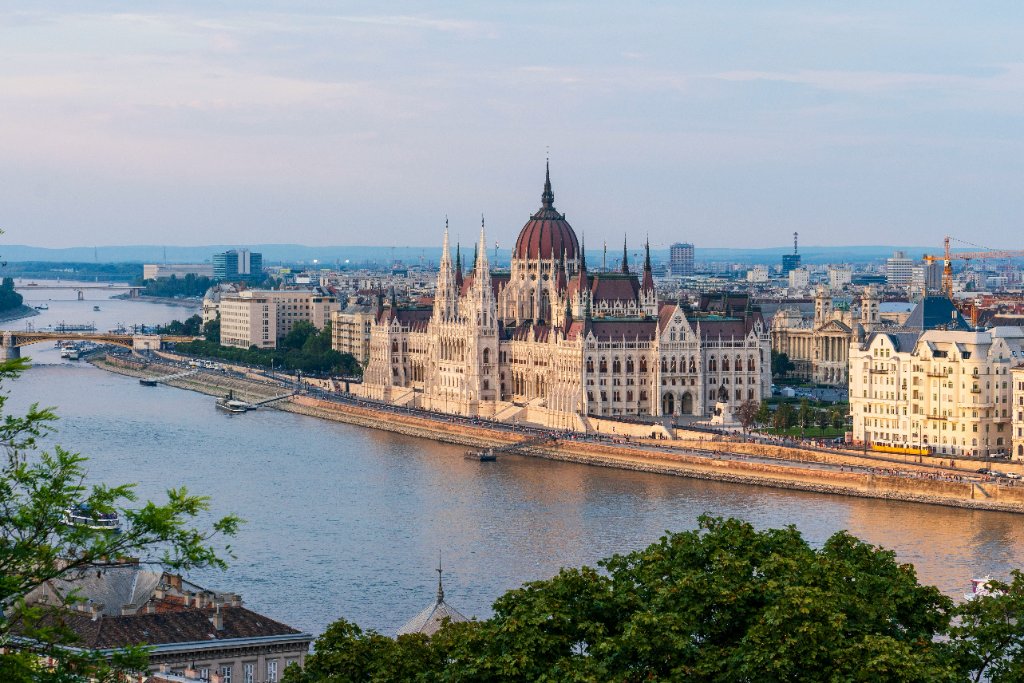
Few European cities announce themselves as dramatically as Budapest. The Parliament building lit up over the Danube at night is one of the great urban sights on the continent. The thermal baths date back to Ottoman rule. The ruin bars occupy derelict buildings in the Jewish Quarter with a creativity that is entirely their own. And the whole city costs significantly less than Vienna, Prague, or Paris. Hungary is one of Central Europe's most rewarding destinations, and most visitors leave wishing they had stayed longer.
On this page
Why Visit Hungary?
Budapest consistently ranks among Europe's most beautiful capitals. The Parliament building illuminated over the Danube, thermal baths dating back to the Ottoman period, and a ruin bar culture unlike anything elsewhere in Europe are just the beginning. Hungary beyond Budapest is equally compelling: vineyard towns, Roman ruins, and lakeside villages offer an authentic contrast to the buzzing capital.
Hungary also offers extraordinary value. You can eat well, travel by metro, and soak in a historic thermal spa for significantly less than comparable Western European experiences.
Hungary at a Glance
- Best For
- Thermal baths, architecture, food, ruin bars, Danube views, affordable city breaks
- Must-See Destinations
- Budapest, Lake Balaton, Eger, Pécs, Szentendre, Tokaj wine region
- Food & Drink
- Goulash (gulyás), lángos, chimney cake (kürtőskalács), pörkölt, palinka brandy, Tokaj wine
Best Time to Visit Hungary
April – June · Spring (Best Overall)
Pleasant temps (14–22°C), outdoor terraces open, riverside promenades at their best. Budapest Spring Festival (April) brings classical music. Fewer crowds than summer.
September – October · Autumn (Best Balance)
Warm days (15–20°C), harvest festivals, wine regions at peak. Eger and Tokaj are excellent. Autumn colours in the hills around Budapest are beautiful.
July – August · Summer
Hot (25–32°C) and lively. Lake Balaton is packed with Hungarian holidaymakers. Budapest's outdoor thermal pool (Széchenyi) is at its best. Book ahead.
November – March · Winter
Cold (0–7°C) but magical. Budapest Christmas markets along Vörösmarty Square are superb. Thermal baths feel even more special in steam and winter air. Low prices.
Typical Trip Costs (Per Person)
Budget · €45–€75 / day
Hostel or budget guesthouse, local market lunches, thermal bath entry (~€20), public metro and tram travel.
Mid-Range · €110–€190 / day
Boutique hotel, 2–3 restaurant meals, Széchenyi baths, Parliament tour, Fisherman's Bastion, and evening ruin bar drinks.
Luxury · €280+ / day
5★ Danube-view hotel, fine dining at Michelin-starred restaurants, private city tour, VIP spa packages.
Note: Hungary uses the Hungarian Forint (HUF). Széchenyi Baths entry: ~€22. Parliament tour: ~€8–€15. Hungarian wine is excellent and affordable. ·
Getting to Hungary
Flying In
Budapest Ferenc Liszt Airport (BUD) is well-connected to Western Europe and the UK. The 100E bus and metro line 3 connect the airport to central Budapest in around 40 minutes.
·
Train from Europe
Direct trains from Vienna (2.5 hrs), Prague (6.5 hrs), and Warsaw. The Vienna–Budapest night train is scenic and efficient. EuroCity services connect major Central European cities.
Getting Around Hungary
Best for Budapest · Metro + Tram
Budapest has Europe's second-oldest metro (Line 1). Trams 4 and 6 run 24 hours. Day/weekly travel passes are excellent value.
Best Intercity · Train (MÁV)
MÁV trains connect Budapest with Eger (2 hrs), Pécs (3 hrs), and towns near Lake Balaton. Services are affordable and generally reliable.
Best for Danube · River Boat
MAHART ferries run along the Danube to Szentendre and Visegrád in summer. One of the best ways to see Budapest's riverside skyline.
Best Areas to Stay in Budapest
District V – Belváros (Inner City)
Central, walkable, and close to the Danube promenade, Chain Bridge, and Parliament. Ideal for first-time visitors who want everything within walking distance.
District VII – Erzsébetváros (Jewish Quarter)
Home to the Great Synagogue, Szimpla Kert ruin bar, and excellent restaurants. Lively, atmospheric, and excellent value compared to District V.
Buda – Castle District
Across the Danube, the historic Buda Castle neighbourhood offers quiet streets, magnificent views, and a more residential feel. Best for those who prefer calm over central buzz.
District VI – Terézváros (Andrássy Avenue)
Budapest's grand boulevard, lined with elegant buildings, the Opera House, and Hősök Square nearby. A more upscale residential feel with great cafés.
Top Things to Do in Hungary
Budapest Highlights
- Széchenyi Thermal Bath, grand neo-baroque open-air pools
- Hungarian Parliament building (evening view from Pest side)
- Fisherman's Bastion + Buda Castle panorama
- Ruin bar evening in the Jewish Quarter (Szimpla Kert)
- Great Market Hall for food and paprika shopping
- Walk across Chain Bridge at sunrise or sunset
Beyond Budapest
- Eger, baroque old town and Valley of the Beautiful Women wine tasting
- Tokaj wine region, UNESCO wine heritage and cellar tastings
- Lake Balaton, swimming and cycling in summer
- Pécs, stunning Mosque Church and Roman heritage
- Szentendre, colourful Baroque riverside town near Budapest
· ·
Best Day Trips from Budapest
Szentendre
40 mins by HÉV suburban rail or 90 mins by Danube boat. Serbian Orthodox churches, art galleries, marzipan museum, and charming cobbled streets.
Visegrád & Esztergom
The Danube Bend route passes through medieval castle ruins at Visegrád and the great Esztergom Basilica, Hungary's largest church. Best by guided tour or car.
Eger
2 hrs by train. Famous for Egri Bikavér (Bull's Blood) red wine, a well-preserved baroque town centre, and the northernmost Ottoman minaret in Europe.
·
Sample 4-Day Hungary Itinerary
Day 1
Pest: Parliament, Baths & Ruin Bars
Parliament building exterior, Great Market Hall, Széchenyi thermal baths in the afternoon, Jewish Quarter and ruin bar evening.
Day 2
Buda: Castle, Fisherman's Bastion & Bridges
Buda Castle and National Gallery, Fisherman's Bastion for views, Matthias Church, walk across Chain Bridge, sunset from Gellért Hill.
Day 3
Day Trip to Szentendre or Eger
Riverside Szentendre for art and Serbian church culture (half day), or a full day in Eger for baroque architecture and wine tasting.
Day 4
Andrássy Avenue, Opera & Departure
Heroes' Square, City Park, Vajdahunyad Castle, Hungarian State Opera building exterior, final lunch in the Jewish Quarter.
Packing Tips & FAQ
What to Pack
- Swimwear and flip-flops for thermal baths
- Comfortable walking shoes (cobblestones in Buda Castle)
- Light layers, Budapest summers are hot, evenings can be cool
- Compact umbrella (spring showers are common)
- EU plug adapter if coming from UK
Quick FAQs
- Currency? Hungarian Forint (HUF). Cards accepted widely but carry some cash for markets.
- Is Budapest safe? Very safe. Watch for pickpockets on busy trams and at major tourist spots.
- How many days? 3–4 days covers Budapest well. Add 1–2 for countryside day trips.
- Best bath to visit? Széchenyi for atmosphere and outdoor pools. Rudas for a more authentic, less touristy experience.
Plan with the Genie
Ready to plan your Hungary trip?
Get a personalised, AI-powered itinerary with hidden gems, daily costs, and booking links in under a minute.