
Travel Guide · Canada
Canada Travel Guide 2026
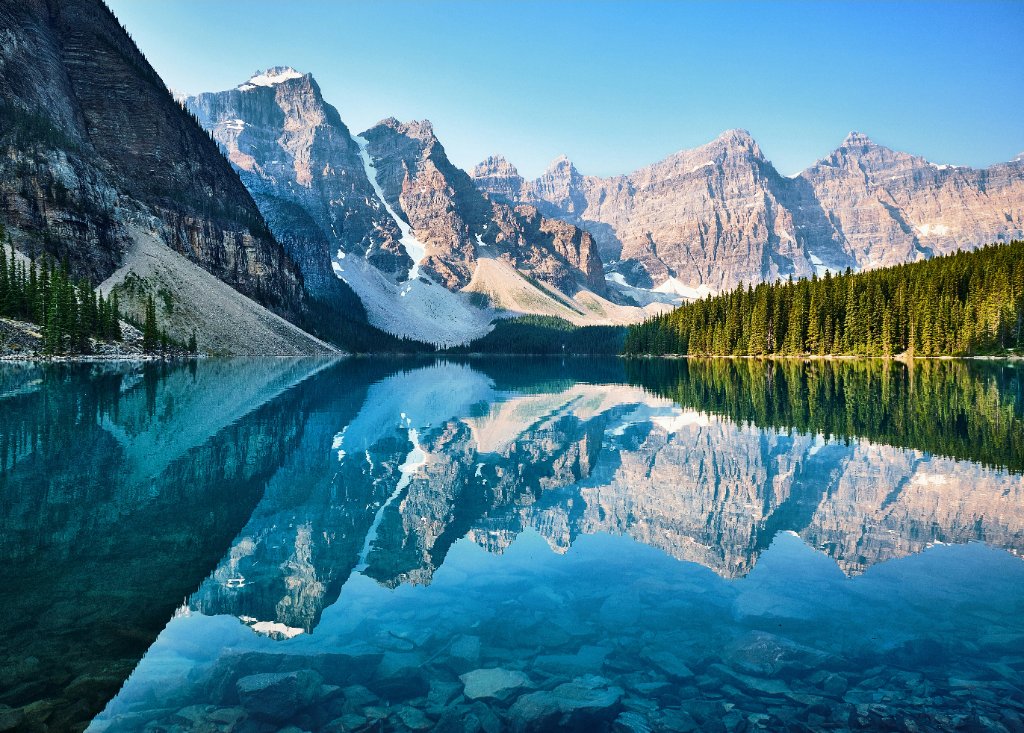
Canada is one of the world's great travel destinations, and one of its most varied. The turquoise lakes of Banff and the drama of the Icefields Parkway sit in a completely different world to the cosmopolitan energy of Toronto, the French-speaking bohemia of Montreal, and the Pacific-facing cool of Vancouver. Throw in Niagara Falls, the Northern Lights dancing over the Yukon, humpback whales breaching off Vancouver Island, and lobster rolls on a Nova Scotia dock, and you begin to understand why no two Canada trips ever look the same.
On this page
Canada at a Glance
- Best For
- National parks, Rocky Mountain road trips, city breaks, wildlife, skiing, Northern Lights, whale watching, French Canadian culture
- Must-See Spots
- Banff & Jasper, Niagara Falls, Toronto, Vancouver, Montreal, Quebec City, Vancouver Island, Icefields Parkway, Whistler
- Food & Drink
- Poutine, butter tarts, Montreal bagels, tourtière, Halifax donair, maple syrup, BC salmon, Caesars (cocktail), craft beer
Best Time to Visit Canada
June to August · Summer
Peak season and the undisputed best time for Banff, Jasper, Vancouver Island, and city travel. Days are long, warm, and energetic, with temperatures reaching 20 to 28°C in cities and cooler mountain air in the Rockies. Banff fills up fast in July and August, so book accommodation several months ahead.
December to March · Winter
Canada's winters are serious, but richly rewarding. Whistler Blackcomb and Banff offer world-class skiing, while the Yukon and Northwest Territories provide some of the finest Northern Lights viewing on the planet between January and March. Toronto and Montreal come alive with winter festivals, and temperatures inland can drop well below -20°C.
September to October · Autumn
Arguably the most beautiful time to travel, with blazing fall colours across Algonquin Park, the Laurentians, and the Maritimes. National parks are quieter and noticeably cheaper. Temperatures sit comfortably between 10 and 18°C and wildlife spotting reaches its peak as animals fatten up before winter.
April to May · Spring
Spring arrives slowly in Canada, and prices reflect the quiet pace. Cities warm up first, while the Rockies can hold snow into May. Coastal British Columbia wakes up beautifully as whales return to the Pacific, and Ottawa's tulip festival makes a genuinely lovely reason to visit in mid-May.
Typical Trip Costs (Per Person)
Budget · CAD $80 to 120 / day
Hostel dorms, self-catering, transit passes, and free hiking in the national parks. Canada's Discovery Pass costs around CAD $145 per year and gives unlimited entry to every national park, making it outstanding value if you plan to visit more than one.
Mid-Range · CAD $200 to 350 / day
A good hotel or Airbnb, sit-down restaurant meals, guided tours, and car hire in the Rockies. Renting a car is genuinely essential for exploring Banff, Jasper, and most of Vancouver Island, so factor that into your budget from the start.
Luxury · CAD $500+ / day
The Fairmont Banff Springs or Chateau Frontenac, heliskiing over glaciers, seaplane tours over the BC coast, private wilderness lodges, whale watching charters, and a cabin on the Rocky Mountaineer train.
Vancouver and Toronto are the most expensive cities. Quebec City, Halifax, and smaller Maritime towns offer noticeably better value. Restaurant tipping of 15 to 20 percent is expected, not optional. ·
Entry Requirements
eTA (Electronic Travel Authorization)
Citizens of the UK, EU, Australia, and most visa-exempt countries need an Electronic Travel Authorization to fly into Canada. It costs CAD $7, takes a few minutes to apply for online, and remains valid for five years or until your passport expires. Always apply through the official IRCC website and avoid third-party platforms that charge inflated fees for the same application.
US Citizens and Driving into Canada
US citizens need only a valid passport to enter Canada, with no eTA or visa required. Those driving across the border also skip the eTA process entirely. Customs declarations are required at all ports of entry, and it is worth carrying proof of accommodation and onward travel plans.
Getting to Canada
Flying In
Canada's main international airports are Toronto Pearson (YYZ), Vancouver (YVR), Montreal (YUL), and Calgary (YYC), which serves as the natural gateway to Banff and the Rockies. Direct flights from London take between 8 and 10 hours. Air Canada, British Airways, and WestJet are the main carriers on transatlantic routes.
From the USA
Popular land crossings include Detroit to Windsor, Buffalo to Niagara Falls, and Seattle to Vancouver. Amtrak runs a scenic service from New York to Montreal. Short domestic flights on Air Canada or WestJet connect most major US cities to Toronto, Vancouver, and Calgary at reasonable prices.
Getting Around Canada
Best for Road Trips · Rent a Car
A rental car is essential for the Icefields Parkway, Vancouver Island, Cape Breton, and most rural areas of Canada. Roads are well-maintained and clearly signed. Fuel costs less than in Europe. Book well ahead for summer travel, when availability at popular trailhead towns tightens quickly.
Best for Cities · Public Transit
Toronto, Vancouver, Montreal, and Calgary all have reliable and affordable public transit systems. Vancouver's SkyTrain is particularly impressive, running directly from the airport to downtown in around 25 minutes without a transfer.
Most Scenic · The Rocky Mountaineer
The Rocky Mountaineer train between Vancouver and Banff or Jasper is one of the world's great scenic rail journeys. It runs only during daylight hours so passengers never miss a moment of the landscape, and the glass-dome carriages make every kilometre feel worth it. Expensive, but genuinely unforgettable.
Top Destinations in Canada
Banff and Jasper, Alberta
Canada's two most celebrated national parks sit side by side in the Rockies, connected by the Icefields Parkway. Moraine Lake and Lake Louise are among the most photographed places on earth, and with good reason. Add Athabasca Glacier, Peyto Lake, and regular elk and bear sightings, and it becomes clear why most visitors wish they had booked more time. Accommodation books out months ahead for summer.
Vancouver, British Columbia
Routinely ranked among the world's most liveable cities, Vancouver earns its reputation. The Stanley Park sea wall offers cycling and walking against a backdrop of mountains and ocean. Granville Island's food market is one of the best in North America. Gastown has excellent restaurants and independent shops. Whistler is a ninety-minute drive north, and whale watching tours leave from the harbour year-round.
Toronto, Ontario
Canada's largest and most diverse city is endlessly entertaining. The CN Tower still impresses, the Distillery District has been beautifully restored, Kensington Market is vibrant and chaotic in the best way, and the food scene reflects every corner of the globe. Niagara Falls makes an easy and spectacular day trip.
Montreal, Quebec
Montreal is North America's most convincingly European city. It is French-speaking, confidently bohemian, and serious about its food in a way that few cities can match. The bagels, the poutine, and the smoked meat sandwiches are all genuinely outstanding. The Jazz Festival in July is one of the continent's great cultural events, and Old Montreal's cobbled streets feel like a neighbourhood transplanted from France.
Quebec City, Quebec
Quebec City is the only walled city north of Mexico in North America, and walking its fortified Old Town feels genuinely historic rather than manufactured. The Chateau Frontenac is one of the world's most photographed hotels. The Plains of Abraham, where the fate of New France was decided in 1759, overlook the St Lawrence River from the city's heights. The French character here is deeper and more pervasive than anywhere else in Canada.
Niagara Falls, Ontario
The Canadian side of Niagara Falls offers dramatically better views than the American side, and it is not particularly close. The Maid of the Mist boat tour brings you close enough to feel the spray on your face, while Journey Behind the Falls leads you through tunnels cut into the rock directly behind the curtain of water. The falls are easily reached by bus or train from Toronto in around two hours.
Vancouver Island, British Columbia
Vancouver Island rewards slow travel. Victoria has a genuinely English character, with afternoon tea at the Empress Hotel and beautiful Butchart Gardens. Pacific Rim National Park offers wild surf beaches and ancient temperate rainforest. Orca whale watching in Johnstone Strait is some of the most reliable in the world, and the island's food scene, built around local seafood, is quietly excellent.
The Yukon
The Yukon is Canada at its most elemental. Whitehorse serves as the base for exploring the Klondike Gold Rush landscape, the Kluane National Park wilderness, and some of the finest Northern Lights viewing on the planet between September and March. The wildlife here is on a different scale to anywhere else in Canada, with grizzly bears, moose, wolves, and vast caribou migrations all possible.

Top Things to Do in Canada
Nature & Adventure
- Drive the Icefields Parkway, widely considered one of the world's most scenic roads
- Canoe on Moraine Lake or Lake Louise at sunrise before the crowds arrive
- Whale watching in British Columbia or the Bay of Fundy
- Ski or snowboard at Whistler Blackcomb, one of the largest ski resorts in North America
- Northern Lights viewing in the Yukon or Northwest Territories between autumn and spring
- Hike the West Coast Trail on Vancouver Island, one of Canada's great backcountry challenges
- Bear watching by boat in the Great Bear Rainforest, BC
Cities, Food & Culture
- Poutine in a proper Montreal diner, not a tourist restaurant
- The CN Tower EdgeWalk in Toronto, if heights do not bother you
- Granville Island Public Market in Vancouver for the best produce and seafood in the city
- Old Montreal on foot, finishing at the Notre-Dame Basilica in the early evening
- Niagara Falls by boat on the Maid of the Mist
- Quebec City's Winter Carnival in February, one of the oldest and largest in the world
- The Montreal Jazz Festival in July, free outdoor stages and world-class performers
·
Sample 10-Day Canada Itinerary
Days 1 to 3
Vancouver
Arrive into YVR and spend three days adjusting to the time difference in one of the world's most beautiful cities. Walk the Stanley Park sea wall, browse Granville Island market, explore Gastown and Chinatown. Consider a day trip to Whistler or an evening ferry to Victoria on Vancouver Island.
Days 4 to 6
Banff and Lake Louise
Fly to Calgary or board the Rocky Mountaineer, then pick up a hire car and drive into Banff. Set the alarm for Moraine Lake at sunrise before anyone else arrives. Walk around Lake Louise, hike Johnston Canyon, and drive north to Jasper to base yourself for the next two nights.
Days 7 and 8
Icefields Parkway and Jasper
Spend the morning driving the full Icefields Parkway south to north, stopping at Peyto Lake, the Athabasca Glacier, and Sunwapta Falls. The afternoon is for wildlife spotting: elk graze the roadsides and bears are regularly seen in summer. End the day on Maligne Lake, taking the boat to Spirit Island.
Days 9 and 10
Toronto and Niagara Falls
Fly from Calgary or Edmonton to Toronto for the final stretch. Walk the Distillery District, browse Kensington Market, and go up the CN Tower at dusk. Spend day ten at Niagara Falls, taking the Maid of the Mist out onto the water, before flying home from Toronto Pearson.
Packing Tips & FAQ
What to Pack
- Layers for all seasons: Canadian weather changes faster than most visitors expect, especially in the Rockies
- A waterproof jacket for Vancouver and coastal BC, where rain arrives without warning
- Strong insect repellent for summer travel: black flies and mosquitoes are genuinely unpleasant in the backcountry
- Bear spray if you plan to hike in Alberta or BC wilderness areas, and know how to use it before you go
- High-factor sunscreen: UV intensity at altitude in the Rockies catches many visitors off-guard
- A standard North American Type A or B plug adapter if you are travelling from Europe
Quick FAQs
- Currency: Canadian Dollar (CAD). Cards are accepted almost everywhere, including small towns, and ATMs are widely available.
- Language: English across most of Canada. French is the primary language in Quebec. Montreal is largely bilingual, but in Quebec City you should expect French to be the default in restaurants and shops.
- Tipping: 15 to 20 percent at restaurants is the standard expectation. It is a genuine part of the culture, not an optional gesture.
- Do I need a car: Yes, for the Rockies, Vancouver Island, Cape Breton, and most rural areas. Major cities have good public transit and a car is unnecessary there.
Plan with the Genie
Ready to plan your Canada trip?
Get a personalised AI-powered itinerary with hidden gems, daily costs, and booking links in under a minute.